This “Weed” Could Be One of the Most Valuable Plants in Your Garden
Showbiz News 29/01/2026 17:04
How Seven Quiet Words Silenced a Studio — and the Internet
“He’s just a singer.”
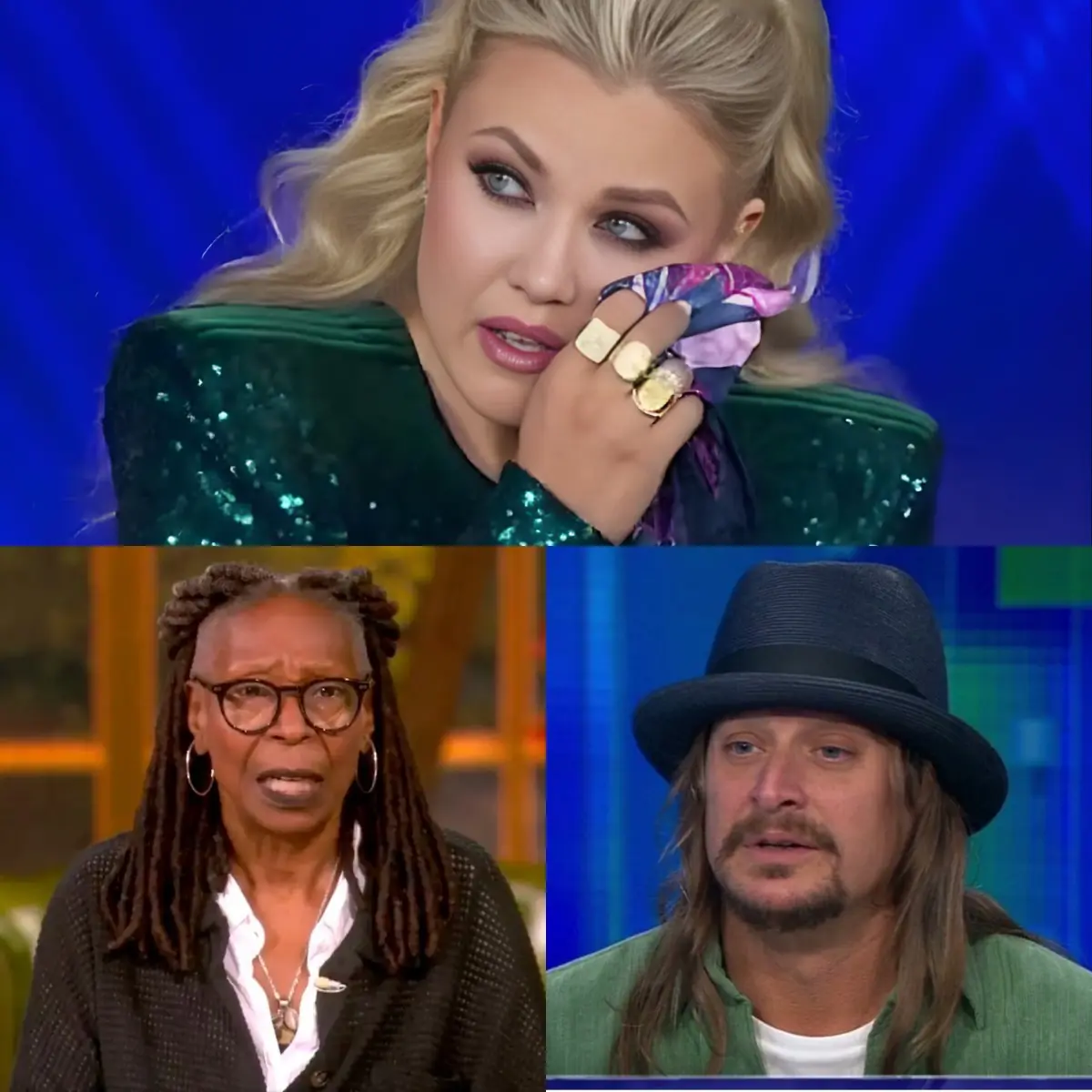
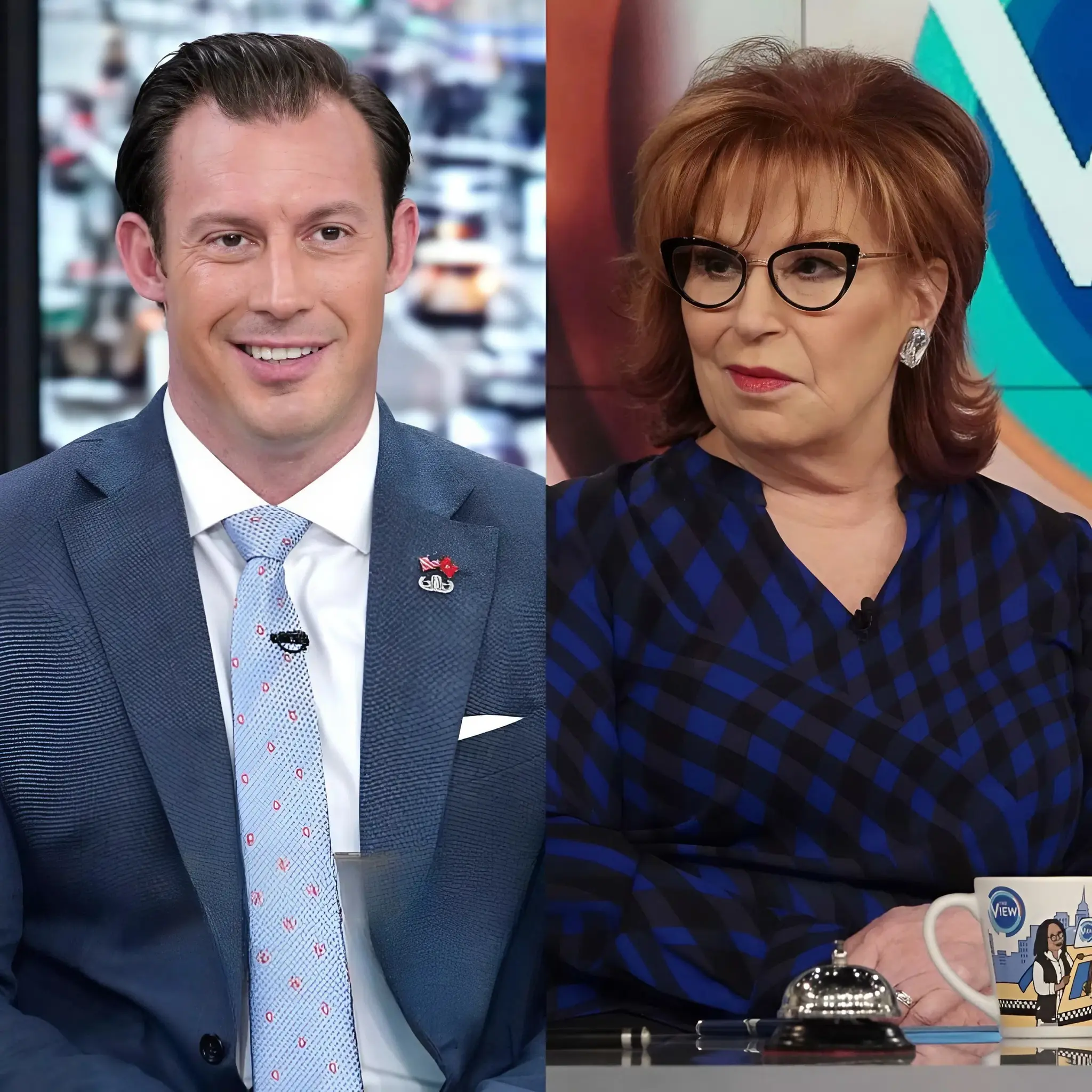
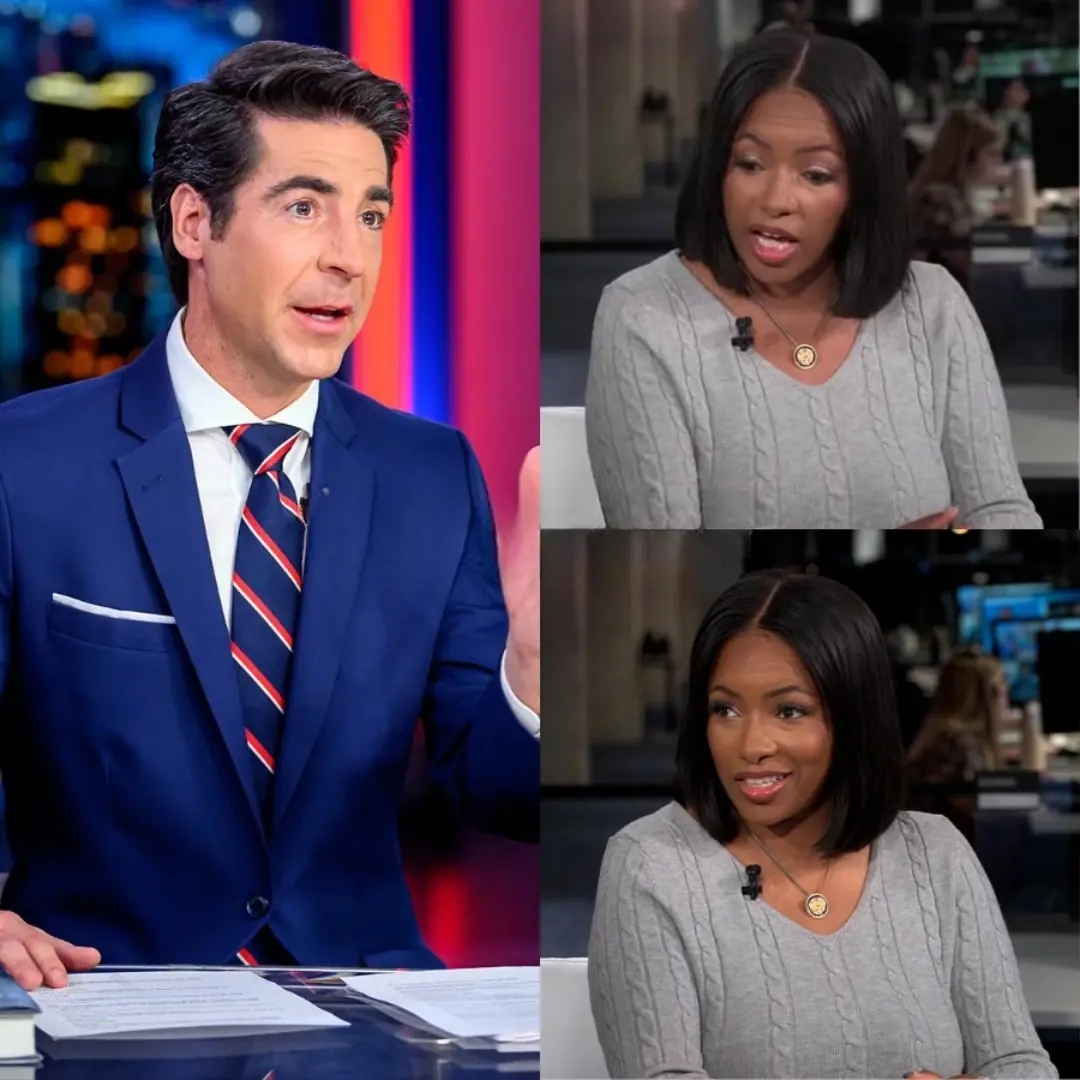
That was the dismissive line Sunny Hostin casually tossed out on The View as the panel laughed about Kid Rock making an unexpected daytime television appearance after years of declining talk-show invitations.
“He’s just a loud guy with a guitar and opinions,” Sunny added, waving it off as harmless commentary. Joy Behar laughed along. Whoopi Goldberg smirked. Alyssa Farah Griffin applauded sarcastically. The moment was framed as playful banter — another celebrity reduced to a punchline.
Kid Rock didn’t smile.
He didn’t interrupt.
He didn’t raise his voice.
Instead, he reached up and slowly removed the silver guitar-pick necklace from around his neck. He placed it carefully on the wooden table. The faint tap cut through the studio chatter, echoing through the fading laughter like a warning no one expected.
He straightened his posture. Set both palms flat on the table. Looked directly at Sunny Hostin.
Then he spoke — exactly seven words, no more, no less:
“I paid for your friend’s funeral.”
The studio fell into absolute silence.
Sunny’s face drained of color. Her lips parted, but no sound came out. She blinked once — and then froze. The camera lingered on her expression for an agonizing eleven seconds. No applause. No laughter. No background noise. The room felt airless.
Joy Behar looked away. Whoopi Goldberg covered her mouth. Ana Navarro stared down at the floor, as if hoping to disappear beneath it.
The audience didn’t understand the reference.
But everyone at the table did.
It was about the friend Sunny had once spoken about on the show — someone who had battled both terminal illness and financial collapse. A story that had moved viewers. A story that ended quietly, without resolution. What no one publicly knew was that Kid Rock had stepped in behind the scenes, covering funeral costs anonymously, without press releases or photo opportunities.
For years, tabloids and commentators had mocked him as “just a loudmouth rocker,” a caricature reinforced by culture-war headlines and social-media outrage. Yet when there were no cameras, no applause, and no incentive, he had shown up.
Kid Rock didn’t say another word.
He held Sunny’s gaze for a moment longer, then offered a tired half-smile — the kind worn by someone who has spent years being underestimated, mislabeled, and dismissed as “just” something.
Just a singer.
Just a troublemaker.
Just noise.
And yet, in that moment, he was the only one at the table who had acted with quiet compassion.
The clip reportedly exploded online, amassing hundreds of millions of views within two days. Not because Kid Rock “destroyed” anyone, but because the moment struck a nerve. In seven words, viewers were reminded how often public figures are flattened into stereotypes — and how rarely unseen acts of generosity make headlines.
Media scholars have long noted that viral moments resonate most when they expose a gap between public narrative and private reality. According to analyses by Pew Research Center and Reuters Institute, audiences increasingly distrust performative outrage and respond more strongly to authenticity and moral clarity, especially when it contradicts established media frames.
Similarly, outlets such as BBC and The New York Times have documented how celebrity philanthropy is often misunderstood or overlooked when it doesn’t align with a celebrity’s public image or political associations. Quiet giving rarely trends — until a moment like this forces it into the spotlight.
After that exchange, no one at the table laughed again.
And online, one thing became clear:
No one dared call him “just” anything ever again.
Sources referenced for context and analysis:
Pew Research Center — Media trust and public perception
Reuters Institute for the Study of Journalism — Viral media dynamics
BBC Culture — Celebrity image vs. private action
The New York Times — Public narratives and philanthropy