A Televised Moment That Redefined Power, Respect, and Public Decency
The studio lights inside Manhattan’s Broadcast Tower blazed with theatrical brilliance as the cameras swept across what producers believed would be yet another spirited — and ultimately harmless — debate.
Few could have predicted that this segment would erupt into a moment that fractured social media, ignited cultural fault lines, and forced millions of viewers to reconsider what strength, respect, and public decency truly look like in modern media.
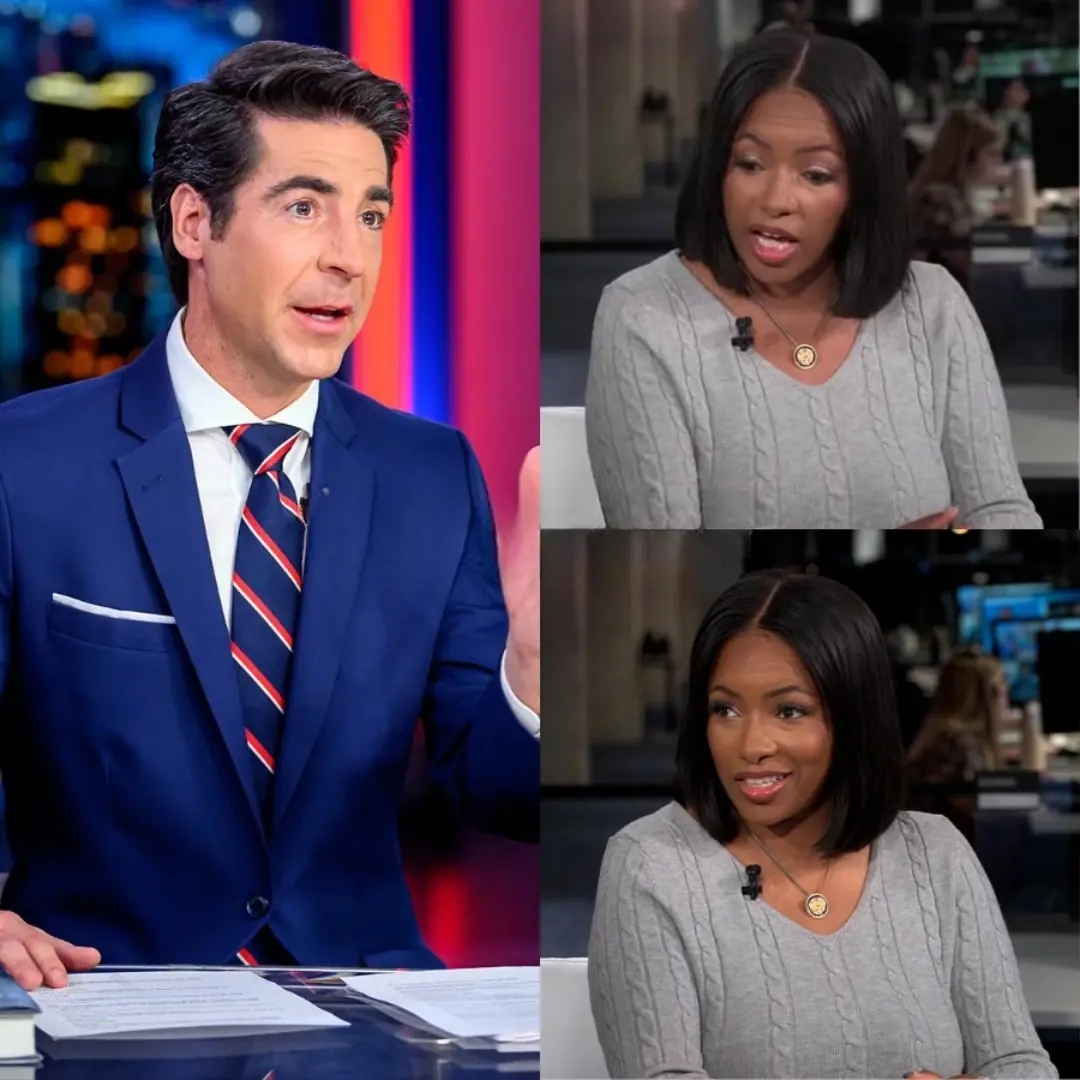
The discussion began as a tense exchange about contemporary political discourse, focusing specifically on how young conservative women navigate what they often describe as a hostile media environment. Erika Kirk, seated at the far-left end of the panel, was in the middle of explaining her perspective when the atmosphere in the room abruptly shifted.
Without warning, Whoopi Goldberg leaned forward, her eyes narrowed in visible frustration, and delivered a line that would soon dominate headlines and trend across every major platform:
“Sit down and stop crying, Barbie.”
The words landed like a slap — tearing through the polished calm of the studio and leaving the audience stunned. Even the camera operators seemed frozen, lenses widening as if the machines themselves sensed the shockwave rippling through the room.
Erika blinked, visibly shaken, her jaw tightening as she drew a deep breath to respond. But before she could speak, another voice cut through the tension — and in that instant, the trajectory of the broadcast changed forever.
Kid Rock, seated just two chairs away, leaned forward with the measured calm of someone who had seen enough to recognize the moment for what it was. His voice carried evenly across the studio, grounded and unmistakably resolute.
“That’s not strength,” he said. “That’s bullying.”
The words echoed with such force that the room fell completely silent. The camera swung toward him. Audience members straightened in their seats. Even Goldberg’s expression faltered, if only briefly.
“You don’t have to like her,” Kid Rock continued, “but you do have to respect her.”
The studio erupted. Applause crashed through the space like a tidal wave, some audience members rising to their feet before they even realized they were standing.
For the first time in her long broadcasting career — one marked by fierce debates and sharp exchanges — Whoopi Goldberg did not respond. She remained silent, her hands resting slowly on the table, as if weighing the gravity of the moment she had helped create.
Erika Kirk looked toward Kid Rock as though he had thrown her a lifeline in the middle of a live, televised storm. The gratitude in her eyes needed no words. The cameras captured it perfectly.
What followed elevated the encounter far beyond a viral clip. Kid Rock had not merely defended a fellow guest — he reframed the entire conversation.
Leaning back slightly, he addressed the room as if speaking directly to millions watching at home.
“Strength isn’t loud,” he said. “It isn’t cruel. And it isn’t humiliating someone just because you can.”
The silence was so complete it felt tangible. Crew members backstage stood motionless, eyes locked on their monitors as though witnessing a masterclass in moral authority.
“Real strength,” he continued after a pause, “is using your voice to lift someone who’s being pushed down — not joining the crowd just to score a moment.”
In that brief span of time, the studio no longer felt like a television set. It felt like a courtroom, a classroom, and a battleground all at once.
Goldberg shifted slightly in her chair, the weight of Kid Rock’s words hanging heavy over her earlier remark. Her silence spoke louder than any rebuttal could have.
Across the country, millions of viewers reached for their phones — recording, sharing, dissecting every frame. Within minutes, the clip became one of the most-watched videos across major platforms.
Media analysts quickly weighed in, calling it everything from “a turning point in public discourse” to “a cultural aftershock.” Supporters argued that Kid Rock had done what few public figures dare to do in real time: confront disrespect directly and without theatrics.
Critics debated whether Goldberg’s comment crossed professional boundaries or simply reflected the emotional volatility that has become common in televised political discussions. Yet even detractors acknowledged the undeniable power of Kid Rock’s response.
Producers, stunned by the audience reaction, replayed the clip during the next commercial break. The applause returned — louder than before — fueled by the collective sense that something rare and authentic had just unfolded.
When the noise finally subsided, Kid Rock spoke once more.
“This isn’t about sides,” he said. “It’s about how we treat people — especially when we think no one will call us out for treating them poorly.”
That line soon appeared on T-shirts, circulated through podcasts, and was quoted by commentators across the political spectrum. It echoed a broader concern identified by institutions such as the Pew Research Center, which has repeatedly reported declining levels of civility and trust in public discourse (Pew Research Center, Political Polarization and Media Trust).
By the time the broadcast ended, international outlets had begun picking up the story. Newsrooms rushed to frame the moment, while influencers went live to analyze its significance. Major media organizations including Reuters, The Associated Press, and The New York Times later contextualized the exchange within a growing backlash against performative outrage in televised debates.
Off-camera, Erika quietly thanked Kid Rock during a backstage moment later captured in behind-the-scenes footage.
“I didn’t come here expecting anyone to defend me,” she said softly.
“You didn’t need defending,” he replied.
Outside the studio, crowds gathered, chanting messages of respect, civility, and the courage to speak when silence is the easier choice.
In the days that followed, interview requests flooded in. Some praised Kid Rock for injecting emotional intelligence into an increasingly chaotic media landscape — a sentiment echoed by scholars who argue that audiences are growing weary of conflict-driven programming (Harvard Kennedy School, The Crisis of Democratic Discourse).
Others dismissed the moment as overblown, insisting that television thrives on confrontation. Yet that very debate underscored the deeper truth of the moment: people are hungry for authenticity.
Hungry for kindness.
Hungry for someone — anyone — willing to draw a line in the shifting sands of cultural tension.
Whether by intention or instinct, Kid Rock became that figure for millions. In a matter of seconds, a musician transformed into an unlikely moral voice, his message resonating across a divided nation.
As one prominent commentator wrote the following morning:
“In a world addicted to outrage, Kid Rock reminded us what real strength looks like — quiet, steady, and unwilling to stand by while someone is diminished.”
And perhaps that is why the moment endures. Not because of the insult that ignited it, but because of the response that challenged it.
One confrontation.
One voice rising above the noise.
One unexpected defender who refused to let disrespect have the final word.
In doing so, Kid Rock didn’t just shut down a bully — he reignited a conversation America desperately needed to hear.