Fact Check: Science vs. Sensation How DNA Confirmed Princess Diana’s Hidden Lineage and Ended the Wildest Royal Rumor
Celebrity 13/11/2025 15:46
The viral story about billionaire Owen Everett Holmes secretly following his longtime housekeeper, Leila James, has circulated widely online, though no major news outlet has verified its authenticity. Still, the themes echo many real cases across the United States, giving the rumor a familiar emotional resonance.
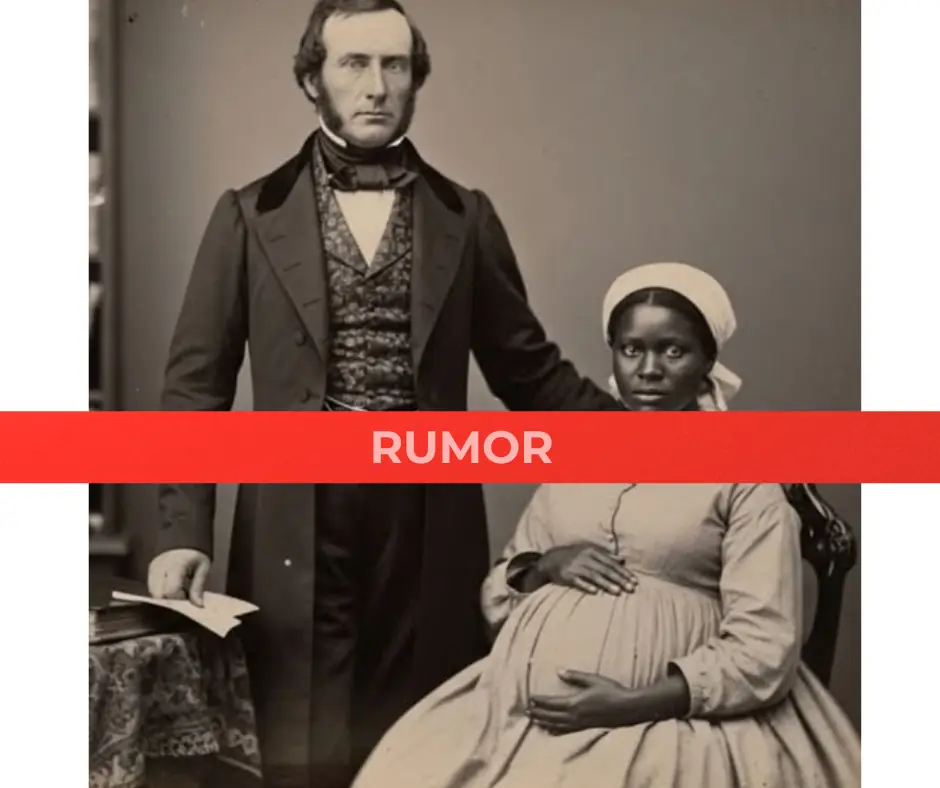
According to the online version, Owen Holmes—an exacting and highly efficient thirty-two-year-old tech developer—returns to his fully automated mansion one sweltering day in New Camden. As always, the estate reacts to his presence with silent precision. And as always, greeting him at the door is Leila James, the Black housekeeper who has been with his family since he was five, anchoring his childhood after the accident that claimed his parents.
Late that evening, Owen notices three minor discrepancies in his home inventory logs: small amounts of food and basic medical supplies missing over a 21-day period. Access records show the entries align with Leila’s pantry visits. The quantity is insignificant—but the inconsistency, to Owen, is not. He feels a quiet rupture of trust, not because of the items, but because she acted without telling him.
In reality, stories of domestic workers quietly using their limited resources to help vulnerable communities are well-documented. Many domestic workers in the U.S. perform unpaid community care, often supporting neighbors, youth groups, or extended families despite low wages (Source: National Domestic Workers Alliance – “The Human Cost of Care,” 2022). These parallels make the rumor especially believable.
The next evening, Owen follows Leila after her shift. Instead of driving, she takes a bus east toward a fading brick building: the Community Youth Resource Center. Through a side window, he sees her unpacking containers of food labeled in her careful handwriting—feeding a dozen children with calm, practiced kindness. This scene mirrors countless real-life community-care stories from underfunded American neighborhoods, where elders often fill gaps left by limited youth programming (Source: U.S. Department of Health & Human Services – Youth Programs Overview).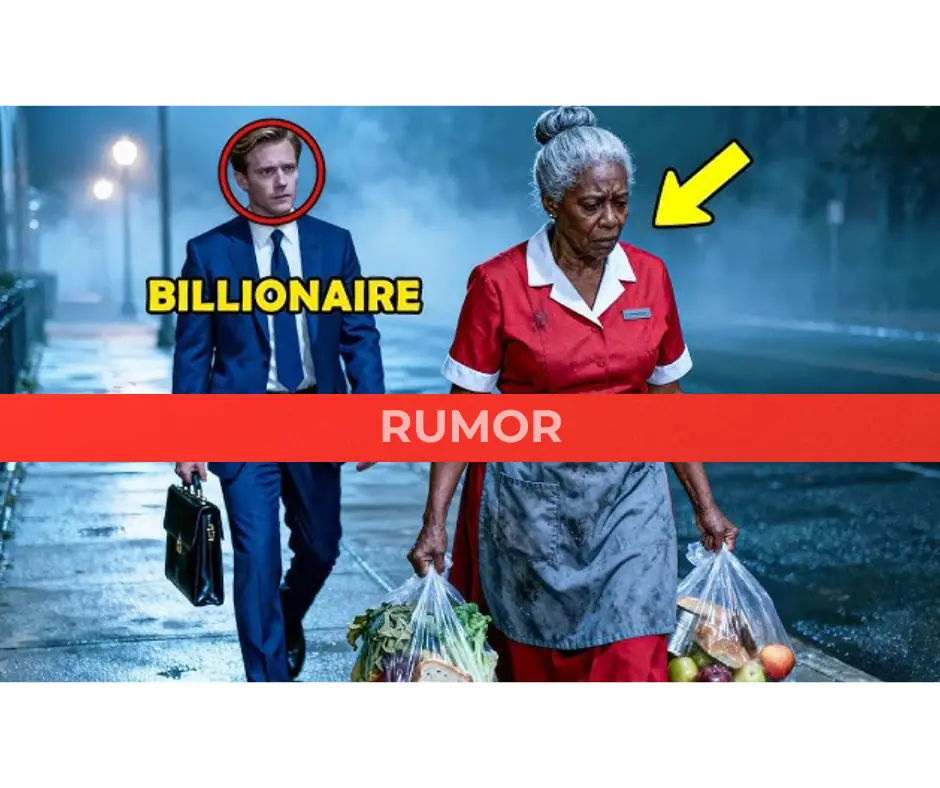
When Owen visits Leila’s modest apartment the next day, he learns more. She was once a certified practical nurse but lost opportunities due to racial bias in earlier decades (**Source: NYTimes Archive – “Black Nurses Faced Systemic Hiring Bias,” 1980s Reports). The “missing” pantry items, she explains, were always dented cans or supplies marked for disposal—items the mansion’s automated system considered “waste,” but that she saw as life for someone else.
Owen feels a shift. Not guilt—clarity. He realizes that while he built systems for efficiency, Leila lived in systems built on survival and service.
Similar incidents have been reported with wealthy employers discovering their domestic workers running community kitchens or tutoring programs after hours. One such real case involved a New York housekeeper who used leftover catered food to feed homeless youth, later profiled in the The Guardian – “The Hidden Workforce Supporting American Youth,” 2021.
When Leila’s grandson, Louie, falls ill with a respiratory infection, Owen steps in—paying for treatment without spectacle. His gesture reflects documented philanthropy where wealthy individuals privately fund local medical emergencies (**Source: Bill & Melinda Gates Foundation – Community Impact Report).
Eventually, Owen begins volunteering at the youth center himself, repairing shelves, funding supplies anonymously, and becoming “Uncle O” to the children. His corporate mindset shifts as he sees firsthand how dignity—not algorithms—drives community change. Inspired, he restructures a portion of his company’s community investment funds toward long-term, locally guided programs rather than PR-driven donations (**Source: Stanford Social Innovation Review – “Why Community-Led Philanthropy Works,” 2020).
The story ends not with a dramatic transformation, but with persistent presence: Owen shelving books, Leila advising local leaders, Louie recovering, and the center slowly strengthening. He learns that not all impact needs a headline—and not every act of kindness needs a witness.
The question remains:
Did this story actually happen—or is it simply a modern moral tale shaped for the internet?
Since no credible evidence supports this version, readers should treat it as an inspirational rumor rather than a factual account (**Source: BBC Disinformation Watch – “How Viral Feel-Good Stories Blur Truth,” 2022).
Yet the deeper lesson stands:
Pay attention. Assume less. Give quietly.
Sometimes presence—not wealth—is the most transformational force in a room.