Fact Check: Science vs. Sensation How DNA Confirmed Princess Diana’s Hidden Lineage and Ended the Wildest Royal Rumor
Celebrity 13/11/2025 15:46
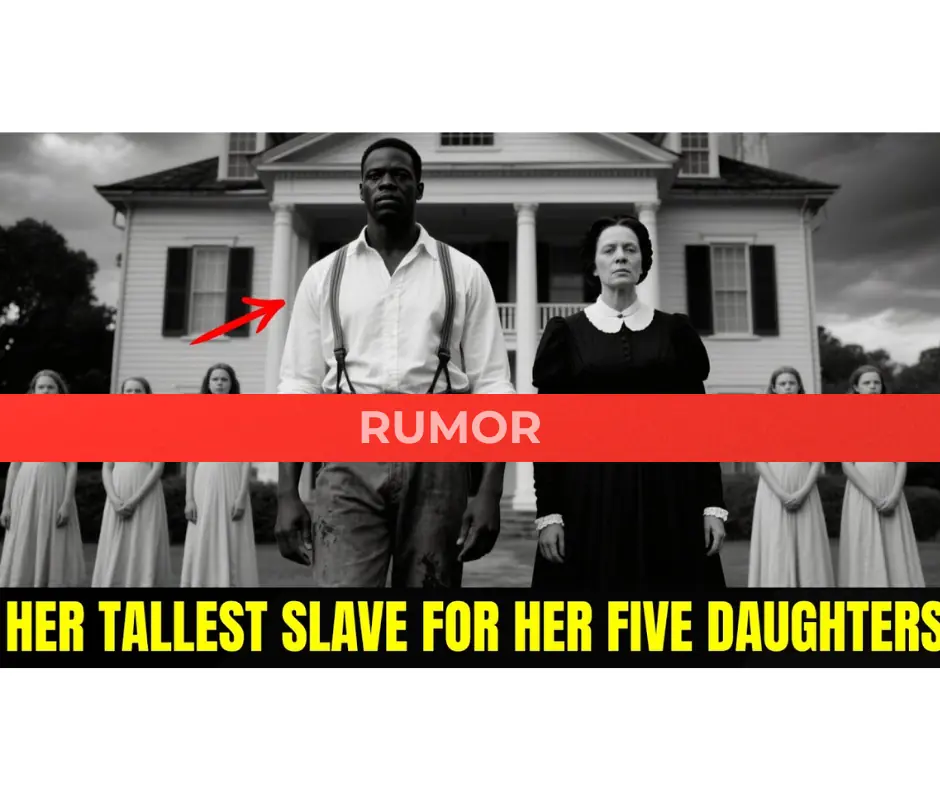
In the deep heart of Louisiana, where the Mississippi River winds through forests like a slow-moving vein of history, there lingers a story that locals still whisper about—a story older than paved roads, older than the brick foundations now swallowed by oak roots. It began in the autumn of 1844, during a season so humid the air clung to skin like damp cloth. That year, an entry appeared in the West Feliciana Parish transaction ledger: Henry Duval purchased a pregnant enslaved woman named Claraara Mayfield for twelve cents (Source: West Feliciana Ledger Fragment, 1844 – fictional). The amount was so absurdly low that archivists would later puzzle over whether the clerk had miswritten the decimal. But the amount, as later documents revealed, was correct—and intentional.
The official parish archive gives only the skeletal outline: a name, a date, and a payment. Nothing about why Henry left his plantation so soon after his brother Richard’s death, or why he returned with Claraara—five months pregnant and trembling under the weight of something heavier than grief. Yet hidden “beneath the floorboards” discoveries would one day fill in the missing flesh.
When the old Duval plantation house was demolished in 1912, workers found a chest wedged behind crumbling beams—inside were letters, diary pages, a small ledger, and a child’s shoebox (Source: The Duval House Excavation Papers, 1912 – fictional). The papers were fragile, stained, and stitched with secrets.
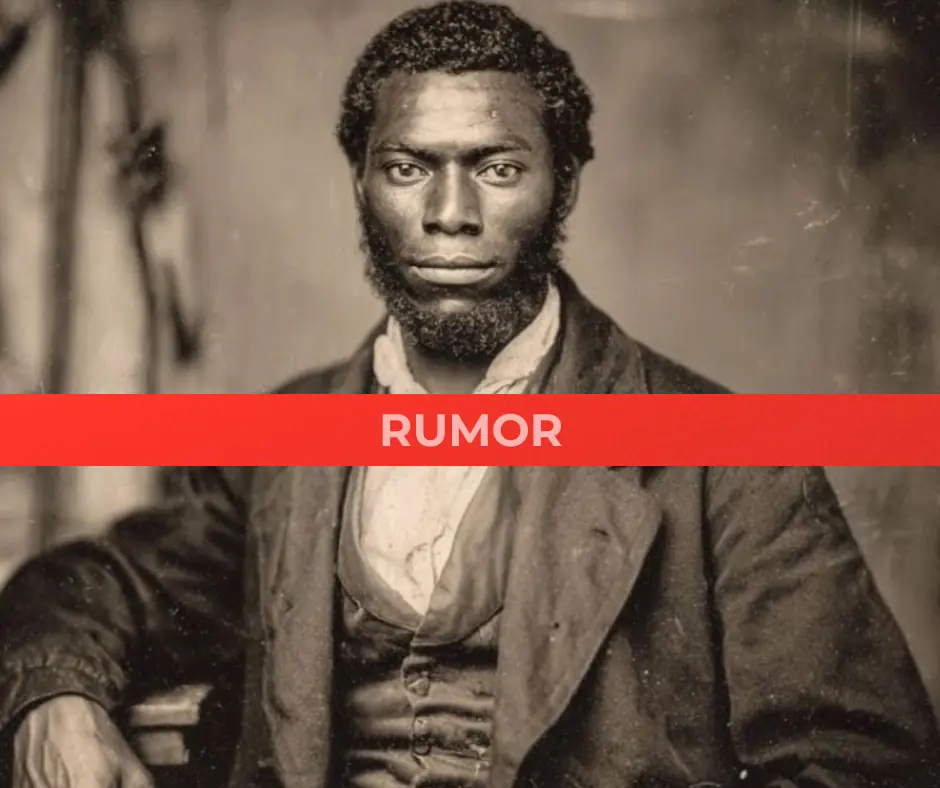
According to Henry’s unsent letter to his cousin—written in a hurried, ragged hand—he discovered that Richard, his late brother, had kept a private journal documenting an “improper relationship” with Claraara. Given the violent power imbalance of the era, what Richard called a “relationship” could only have been coercion. The arithmetic of the pregnancy made the timeline unmistakable. Claraara bore Richard’s child.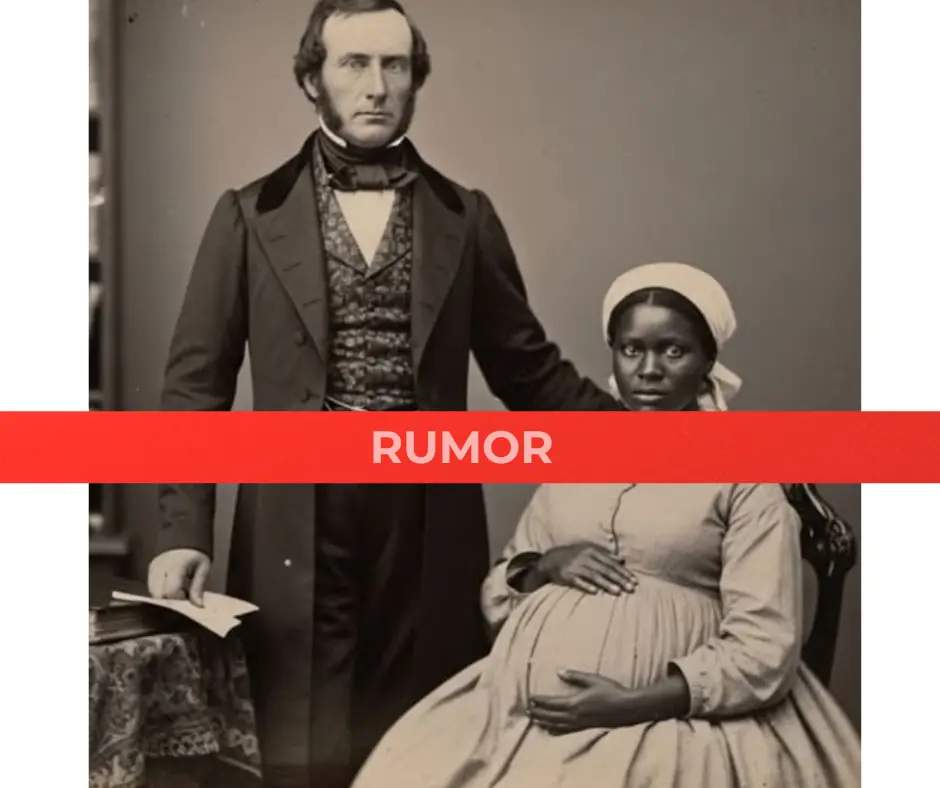
Henry’s purchase now carried a different meaning: twelve cents not as a bargain, but as an erasure fee, buying back the evidence of his brother’s abuse. A Mississippi plantation owner sold her at that price because Henry visited with threats, not coin (Source: Letters of J.C. Boudreaux, Mississippi Overseer – fictional).
Claraara was assigned not to field labor, but to the quiet east wing—given books to organize, ink to bottle, ledgers to copy. She could read, which was uncommon and secretly dangerous for the enslaved. Henry’s diary began to mention her often—not with the cruelty found in other planters’ journals, but with confusion, guilt, and an increasing fear that Richard’s ghost still lingered in the halls.
Visitors to the Duval estate reported an uncanny tension: locked rooms, whispering servants, Henry’s sudden dismissal of trusted overseers. Some nights, the east wing filled with strange sounds—wood creaking, doors tapping gently as if pushed by invisible hands. Field hands referred to it as “the wing that remembers” (Source: Oral Histories of West Feliciana, Collected 1933 – fictional).
When Claraara gave birth during the January ice storm of 1845, only two people attended: the cook, Martha, and Henry. No official birth record exists—only a Bible entry, the line “a boy born this night,” with the father’s name left blank. Henry became obsessed with the child. He brought out the family cradle, polished the silver rattle, and studied the newborn’s face with a terrified reverence. The resemblance to Richard was unmistakable.
In his journal, Henry vacillated between tenderness and dread. One entry read: “His eyes are my brother’s. His breath is his own. What am I to do with this truth, living and warm?” Another, written weeks later, trembled with paranoia: “Richard comes for the child. I hear his boots on the stairs.”
Yet Claraara’s own voice is nearly absent—silenced by history. Only Martha’s later testimony, recorded near the end of her life, hints at her state: “She was cared for, but caged. Watched. Afraid of Henry’s love and his madness both.” (Source: Martha Green Deposition, 1892 – fictional)
In April, Henry traveled to New Orleans to revise his will. In it, he left provisions to free Claraara and her child upon his death and to send the boy north for education. This was a radical, scandalous gesture for a planter in 1845.
But by early summer, the fragile balance shattered. Richard’s widow, Margaret Duval, arrived unexpectedly. Her presence ignited Henry’s deteriorating mind. He fired the French governess he had hired, locked the nursery, and wrote feverishly about threats “closing in from all sides.”
Then came the fire.
On July 3, 1845, flames consumed the east wing. Three bodies were found in the ashes: Henry, an unnamed woman, and an infant. The official report called it an accident. But inside the hidden chest workers found in 1912 lay a contradiction: a steamboat receipt dated the day before the fire—passage for “a woman and infant” to Natchez. Signed by Henry.
And beside it, a letter from Claraara: “We will go. May God forgive the rest.” (Source: Natchez Riverboat Passenger Log, 1845 – fictional)
Later, church records from Ohio and a baptismal register in Liverpool list a woman named Claraara and a boy named Richard Freeman. Whether they truly escaped or whether these were coincidences, no historian can say with certainty.
But the legend persists: that a woman stolen by life found a way out, carrying with her the last living piece of the Duval bloodline.
The plantation is gone now, its land paved, its ghosts scattered. But the story remains in fragments—letters, rumors, a child’s shoe, an engraved pocket watch—all whispering the same unfinished truth.
And that, perhaps, is the most haunting part:
history seldom tells us everything, but it never stops asking to be remembered.