Fact Check: Science vs. Sensation How DNA Confirmed Princess Diana’s Hidden Lineage and Ended the Wildest Royal Rumor
Celebrity 13/11/2025 15:46
The afternoon sun slanted across the Charleston archive reading room, turning dust motes into little golden lanterns suspended in air. After hours of sorting through brittle albums and loose cabinet cards, Dr. Maya Richardson felt her mind blurring under the weight of forgotten faces. Charleston’s 19th-century Black portraits were often painfully similar— stiff postures, borrowed clothes, expressions disciplined into stillness. It was a gallery of survival, but also erasure. She expected Photograph No. 47 to be no different.
It wasn’t—until it was.
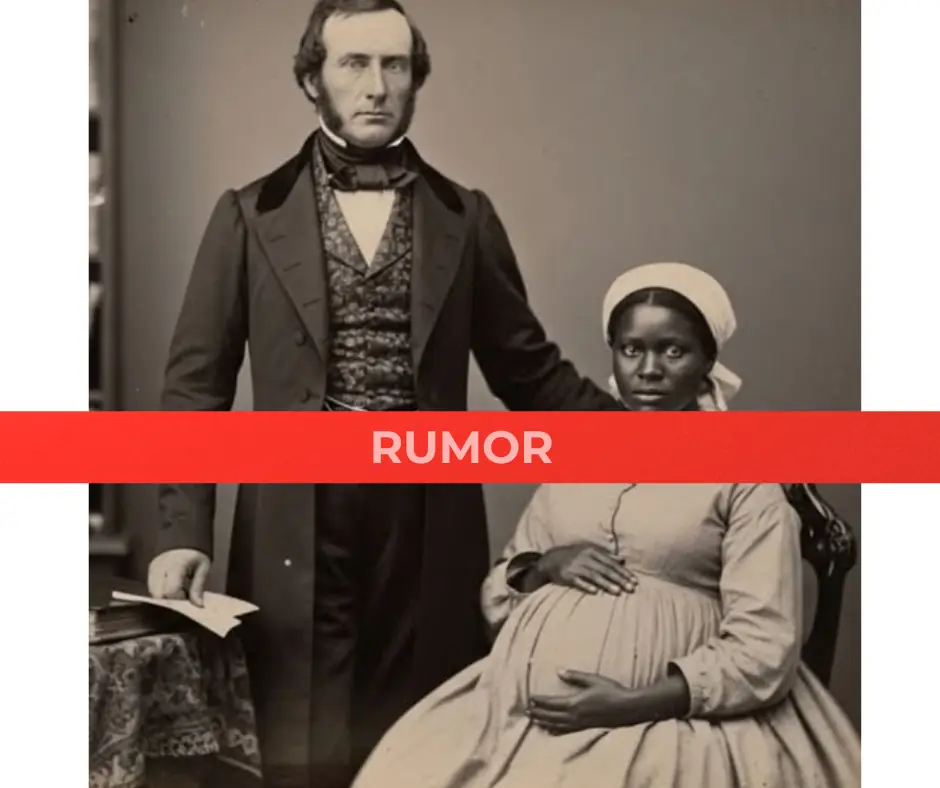
A young Black couple stood in a rented Victorian studio set. The man—Thomas—wore a suit a shade too large, attempting to inhabit a dignity society rarely granted him. The woman—Sarah—stood poised in stiff lace, chin tilted in a quiet defiance. At first glance nothing seemed unusual. But when Maya lifted the magnifying glass, her gaze caught on Sarah’s left hand.
The right hand hung relaxed.
The left spoke.
Three fingers lifted in a small, deliberate symbol—too subtle for casual viewers, too intentional to be accident. A gesture Maya had seen in her research before: a coded distress signal used quietly in domestic work, sharecropper camps, and even early free Black households when calling for help publicly could lead to more danger.
Yet the date on the back of the portrait—April 1895—did not fit. Emancipation had been thirty years earlier. Why was a free Black woman calling for help in secret?
That question unraveled everything.
By midnight, census records showed Thomas and Sarah Daniels living in Charleston in 1900—married seven years. But Sarah had a death record dated August 1895—just four months after the photograph. Cause of death: “complications from fall.” A vague phrase. A convenient one.
The next morning, Maya traced the photo’s origin to a donation from a house on Tradd Street—once home to the Morrison family, wealthy cotton merchants clinging to postwar status. In the attic, she found a letter dated September 1895, addressed to Mrs. Elizabeth Morrison. The writer requested help contacting “the family of your former housemaid Sarah.” The phrasing was delicate, but it pointed to a truth polite society preferred to keep soft around the edges: Sarah had worked in that house. She married. She left. And then she was gone.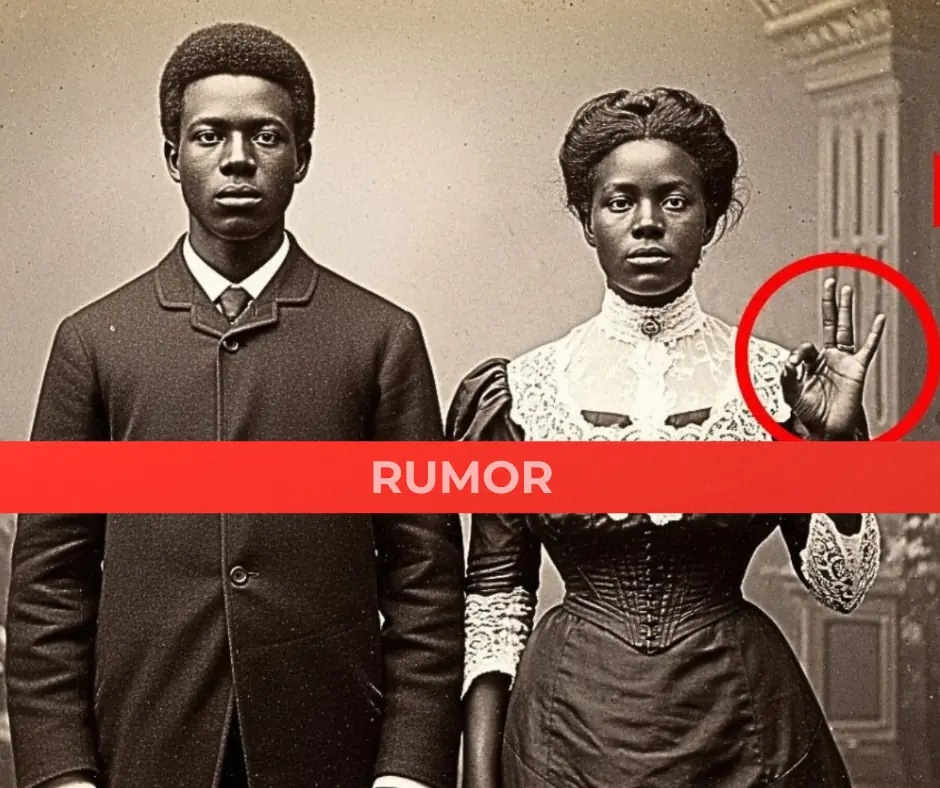
At Emanuel AME Church, the minister guided Maya through ledgers surviving earthquake, fire, and neglect. There it was:
April 7, 1893 — marriage of Thomas Daniels and Sarah.
And four lines below:
August 28, 1895 — funeral service for Sarah Daniels.
In the margin: Inquiry from husband re: marks on deceased. No explanation provided.
Marks. Bruises. Injuries inconsistent with a fall.
The story was writing itself—just not in the official archives.
Records showed the Morrison family’s oldest son, Robert, left suddenly for Europe in July 1895, staying months beyond custom. A quiet exit at a loud moment. In a household inventory, another oddity appeared: “Advance payment to carpenter Thomas Daniels — March 1895.” Two hundred dollars. Enough to raise suspicion; enough to hide guilt.
But the clearest testimony came not from institutions—but from community memory.
At Beth-Elme Church in Columbia, Pastor Ruth Williams produced a cracked notebook. Inside, Reverend Thomas Nathaniel’s notes from 1895 recorded a new arrival from Charleston: Thomas Daniels. Next to his name, one line carried the full weight of history: “Wife murdered by white family; death recorded falsely as accident.”
There it was. Unvarnished. Written where truth could live even when the law refused it.
Thomas stayed in Columbia three years, repairing pews, building cabinets, living with a grief that never loosened its grip. In 1898, he moved north to Chicago—an early participant in the long migration of Black Southerners fleeing danger and seeking breathing room. Though he remarried, he carried Sarah’s memory with him like a scar under clothing—felt, but rarely visible.
When Maya assembled the findings into an academic paper, it was accepted quickly, but she realized the story deserved more than footnotes. It needed a space where ordinary people—not just scholars—could hear Sarah’s signal. So at the Charleston Historical Society, Maya curated an exhibit around the photograph and the history of coded gestures used by Black women navigating domestic servitude, racial danger, and the silences forced upon them.
Visitors leaned in and stared at Sarah’s hand as if it were whispering. Some gasped. Some wept. For many, it was the first time they had seen the quiet architecture of self-protection used by Black women in the late 19th century—strategies never taught in textbooks, yet preserved in memory and gesture.
Two weeks later, an email arrived from Chicago. A teacher named Jerome Washington believed Thomas Daniels was his great-great-grandfather. He brought old photographs and the kind of family story carried in murmur, not declaration. His ancestor had come from South Carolina in 1898. He woke at night calling a woman’s name: Sarah.
Jerome laid a small photograph on the table: Thomas, older now, standing in a workshop. And behind him, barely visible but unmistakable, hung the portrait of Thomas and Sarah from 1895.
He had kept her on his wall for decades.
When Jerome visited the exhibit, he wept in front of Sarah’s portrait—a grief not just for a woman lost, but for generations who inherited silence without explanation. That evening he addressed the gathered visitors: “When you know the truth,” he said, “you understand why your grandfather never talked about Charleston. You learn the shadow that shaped his anger and his tenderness. And you can choose not to carry it forward.”
Through community donations and Jerome’s testimony, a new headstone replaced Sarah’s eroded grave marker in Magnolia Cemetery’s colored section. Her name was restored. Her story, publicly acknowledged. Her signal, finally received.
At the dedication, members of Emanuel AME, families from Columbia and Chicago, and local historians stood beneath moss-draped oaks. A pastor prayed. A child laid a small angel figurine beside the stone. The wind whispered through the branches like a long-delayed blessing.
After the ceremony, Maya sat at her desk scanning new photographs—seeing them differently. A maid with an apron pocket turned outward. A boy with a book held in a coded angle. A woman whose shawl fold resembled a sign used for “danger near.”
She had learned how to read the messages the past hid in plain sight.
And she understood now why Sarah used her hand. A gesture could survive where testimony could not. A signal could cross time when a voice could not dare to speak. A portrait taken in a borrowed parlor, meant as a keepsake, had become a key—opening a story closed for 130 years.
One hand.
One hidden language.
One truth waiting for someone patient enough to listen.
And now, finally, we hear her.