Fact Check: Science vs. Sensation How DNA Confirmed Princess Diana’s Hidden Lineage and Ended the Wildest Royal Rumor
Celebrity 13/11/2025 15:46
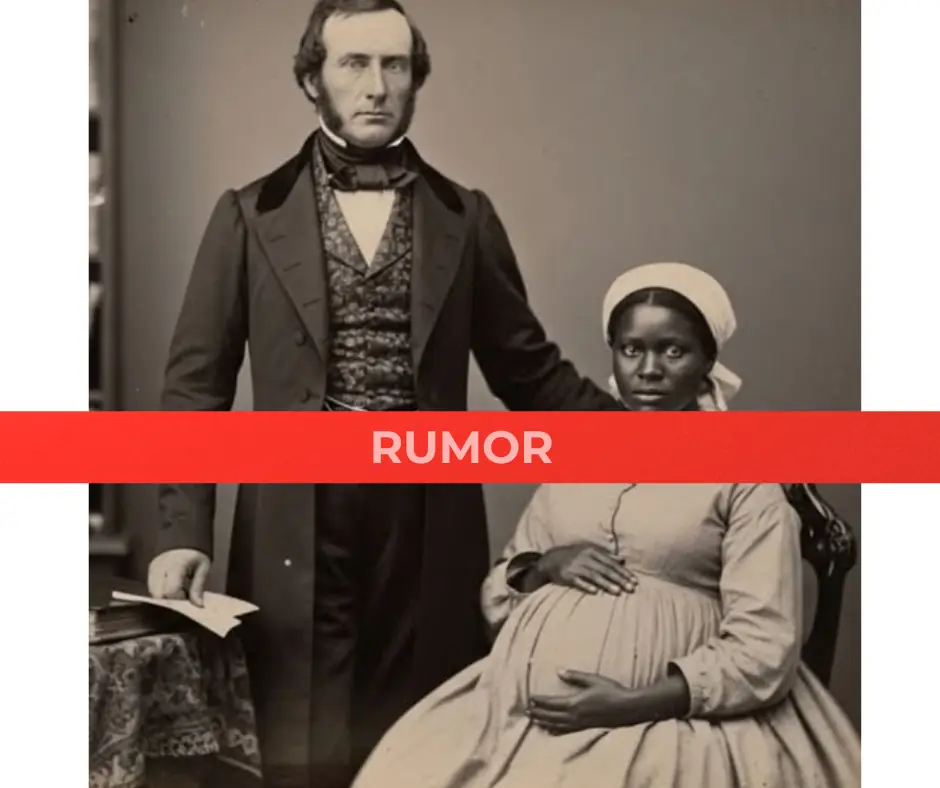
In the thick red clay of mid-19th-century Georgia, the town of Mil Haven started whispering about the Widow Whitfield not in open voices, but with the hush of lightning rolling across a distant sky. Elanina Whitfield became a presence in the town — a grand white house, broad veranda, two-thousand acres of cotton fields that stretched like a pale ocean under the sun. The story goes that when her husband died of fever, she inherited everything: land, wealth, people. She sat front pew on Sundays, gloved and still-eyed, listening to sermons not for comfort but for confirmation of a truth she already held: that order ruled, weak must bow, and strength was the currency of her bloodline.
Her five daughters wore white dresses and practiced silence, taught that beauty was virtue because beauty did not argue. But the rumour says she saw something missing in them — stamina, ferocity, a jaw that clenched and a day bent to its will. That strength, she believed, died with her husband Thomas. And so she resolved to keep it alive by any means left to her.
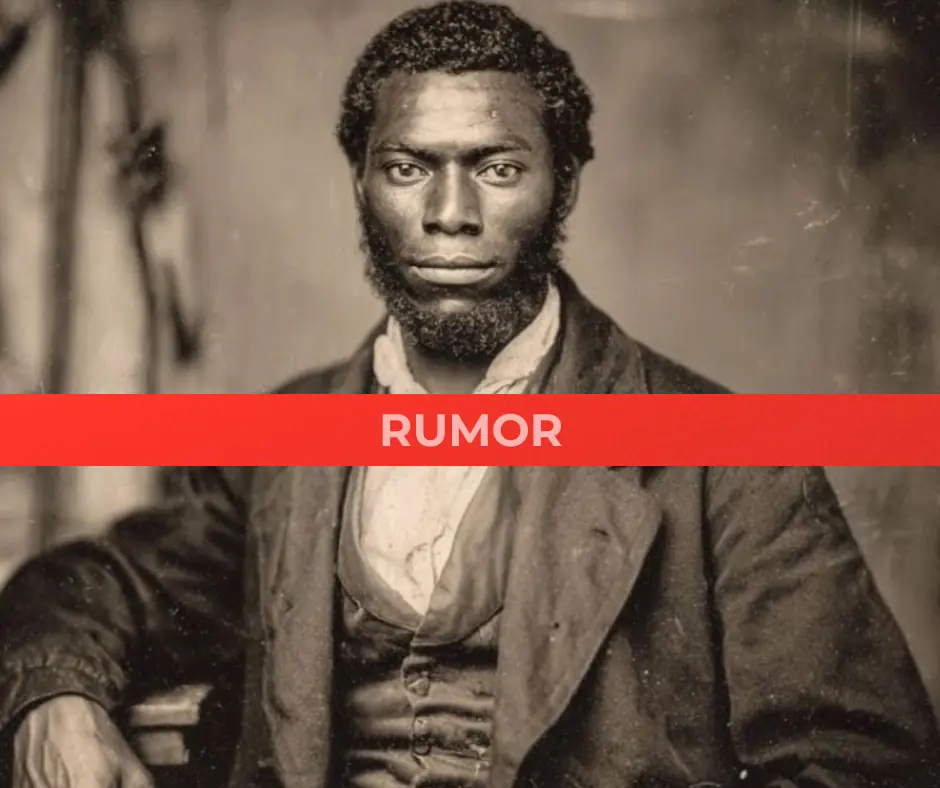
Into that world walked Josiah — a tall enslaved man sold from Virginia, literate, quiet, strong-limbed. The town’s mouths softened when they spoke his name. The overseer called him “lighter work” and shut his eyes to what it meant. On his porch, with cicadas singing like something turned on a spit, the widow watched him. She called him by his name like a christening: “You are Josiah… I’ve been told you’re strong.” Her voice didn’t rise. Power like hers leaned forward and let the house come to it.
In the study late one evening, the black journal lay open: “Our line must not weaken. Purity is providence.” The daughters hovered, Ruth the house-woman warned: “They’ll say it’s favour. It ain’t. It’s a rope with silk on it.” A sheet of paper bore Josiah’s name — as though written in ledger columns, a claim encoded. The big house smelled of roses cut past their time, of polish and mirrored panes. Outside, the river flashed silver between trees — a moving road with no overseer.
The parlor was cleared, mirrors turned face-down, the widow stood in white the way a blade wears a sheath. “You are strength, and strength must join with purity. The Whitfield name demands endurance.” Josiah said quietly, “I ain’t a vessel. I’m a man.” And the lights went out. A scream broke the silence. When the candles flickered back, the message was clear: the house, the story, the ledger — they would not be lived out as expected.
In the dark hours, Josiah and the eldest daughter, Marianne, ran. Rain hit the soil until it turned to blood-coloured mud. Torches lit hellish circles. The river snatched them and spat them downstream. Behind them, the big house stood under lightning. The widow watched from the balcony. On the bank Josiah held Marianne’s face and said: “We ain’t free yet, but we’re gone.” The river took what was offered — and gave back what it could.
That part is the heart of the story. Here’s the critical note: this remains a rumour, not a documented event. No plantation ledger, no court record, no newspaper article has verified that a widow deliberately chose her tallest enslaved man to birth a “new blood-line” for her daughters. What the archives do show, however, is an entrenched system where lineage, property, bodies and power collided. Slavery in Georgia was deeply established by the 1840s, with enslaved people forming nearly half of some county populations and planters increasing their holdings of land and labour to fuel cotton profits. (Source: Georgia Encyclopedia – Slavery in Antebellum Georgia.) New Georgia Encyclopedia Records of estate papers, plantation journals, and slave-lists show how owners treated human beings as property, sorted and selected, controlled bodies and bloodlines. (Source: Duke University Rubenstein Library – Colonial & Antebellum Eras Slavery Collections.)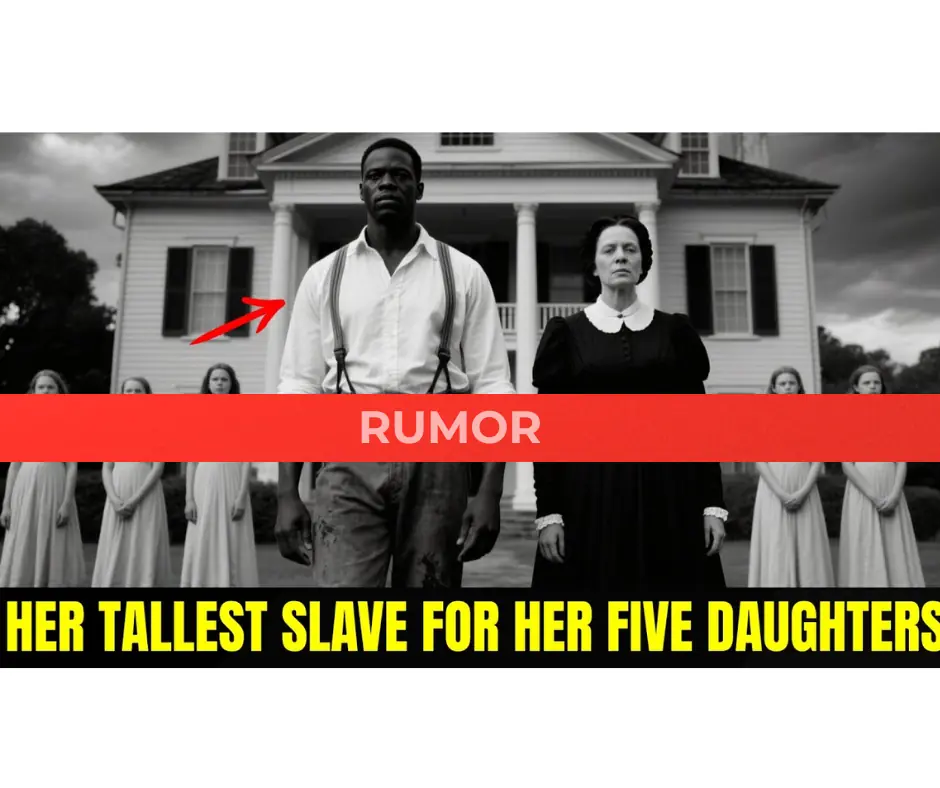
The importance of this story is not simply its wildness, but what it reveals about power, lineage and resistance. A woman who worshipped order, a man who read, a daughter who learned the cost of saying no—these are real stakes. The whisper echoes of a past where strength was measured in chains and freedom in flight. We must ask: Is this really true, or is it allegory grown out of many such tragedies? And if true, what does it say about the price paid by the body and the soul?
So when you pass through that stretch of Georgia and pause by the river’s edge, look at the big house in your mind, listen for thunder in the pines. Remember that land belongs not to those who built the plantation, but to those whose labour shaped it. Remember the story of the widow and her daughters and the tall man who refused to be a vessel—and ask whether the ledger closed or the river simply moved on.